What a dependable software team should make visible
Working software. Open risks. Clear next steps. What useful engineering communication looks like.

You may know that work is happening without knowing what is ready, what needs attention, or what your next decision should be. A dependable software partnership should make those things easy to see.
- Weekly
- 1
- 0


Challenge
Progress should not be a matter of trust alone.
Busy founders and product owners need to know what is ready, what is at risk and what needs them, without chasing anyone for an answer.
The team has to make the work visible, in plain language, every week.
A product built to keep evolving
OneSyntax helped Leave Dates grow its staff holiday planner without losing the simplicity customers valued. Working as a long-term product and engineering partner, the team supported new features, connected experiences, and the technical foundation needed for continued growth.
- 2018
- Web + mobile
- Ongoing
Show working software
A finished task is useful to the team. A working flow is useful to the business. Show whether someone can complete the job the product is meant to help with—not just whether a ticket moved to another column.
A short demo should make the status clear: live, ready for review, or still in progress. End with a useful decision: accept the work, adjust the experience, or investigate before release.
Explain the decisions behind the work
Software decisions involve trade-offs. A simpler release might postpone an integration. A stronger foundation might take longer now but make later changes easier. Make those choices understandable.
Keep the weekly update separate from the decision record. One explains what happened. The other explains why an approach was chosen, what alternatives were considered, and when to revisit it.
Hear from the team
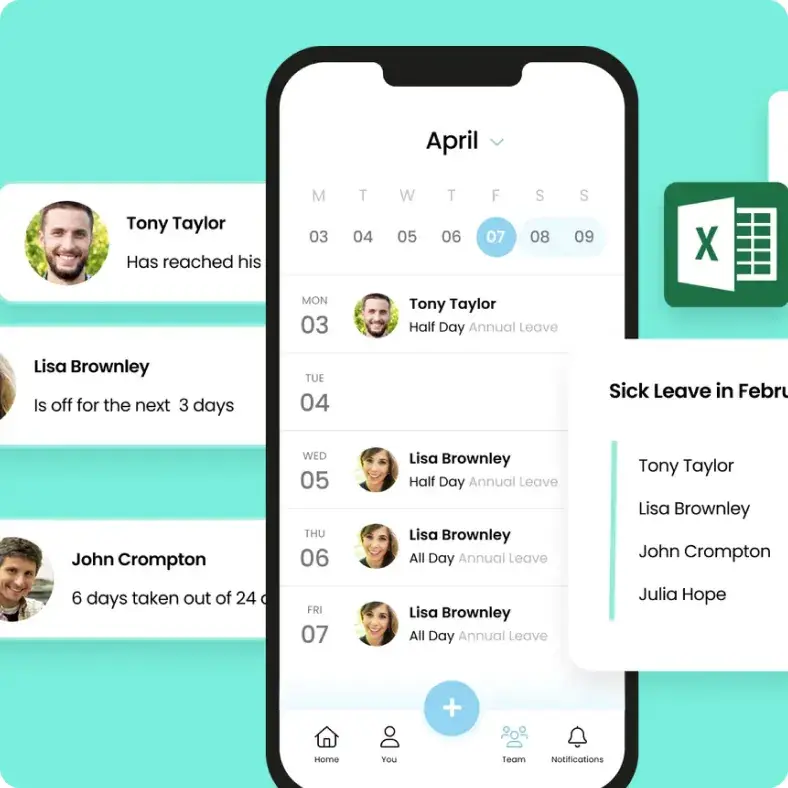
Shared team wall chart
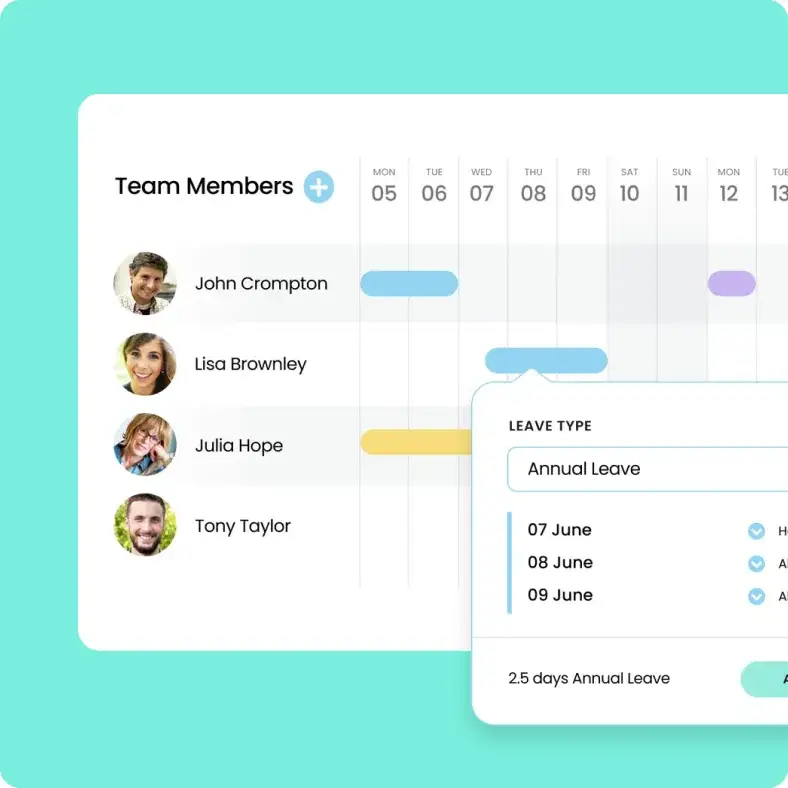
A live calendar gives employees and managers one clear view of upcoming leave, pending requests, and potential overlaps—making it easier to plan without relying on spreadsheets or email updates.
Leave requests and approvals
Employees can check their remaining allowance and submit time-off requests from web or mobile. Managers receive the information they need to approve or decline requests without interrupting their workflow.
Make risks visible early
A risk is easier to manage while there is still time to act. Waiting until a release is late turns a technical uncertainty into a business surprise.
Say what could go wrong, what it would affect, and how the team is checking it. Separate a problem engineers own from a decision the client needs to make. Give both an owner and a next update.
Built to grow without losing its simplicity
OneSyntax helped Leave Dates evolve its product while keeping everyday leave planning clear and easy.
-
Simplify everyday tasks
-
Give teams one shared view
-
Keep the product moving

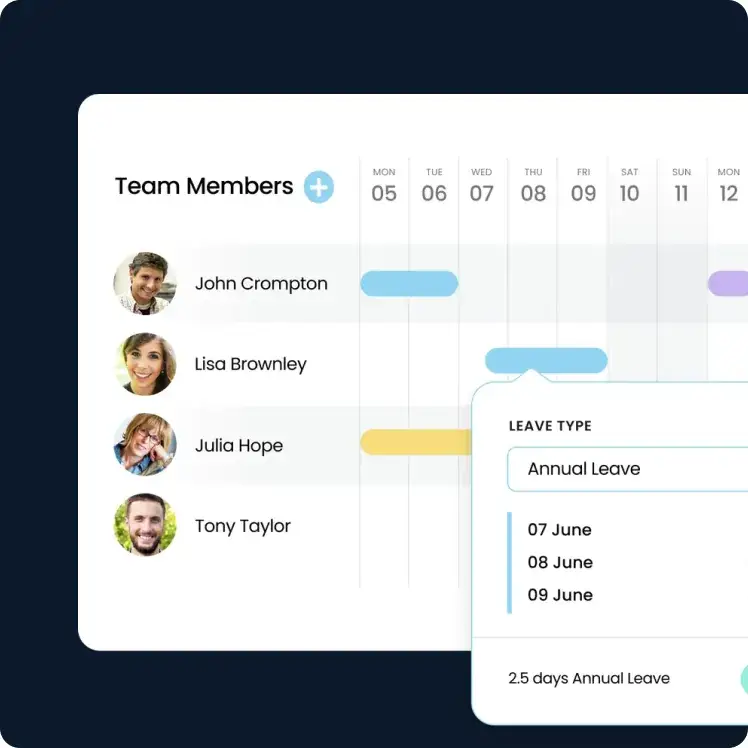
See the whole team at a glance
The shared wall chart brings upcoming leave, pending requests, and team availability into one clear view. Managers can spot potential clashes early, while employees can plan time off with greater confidence.
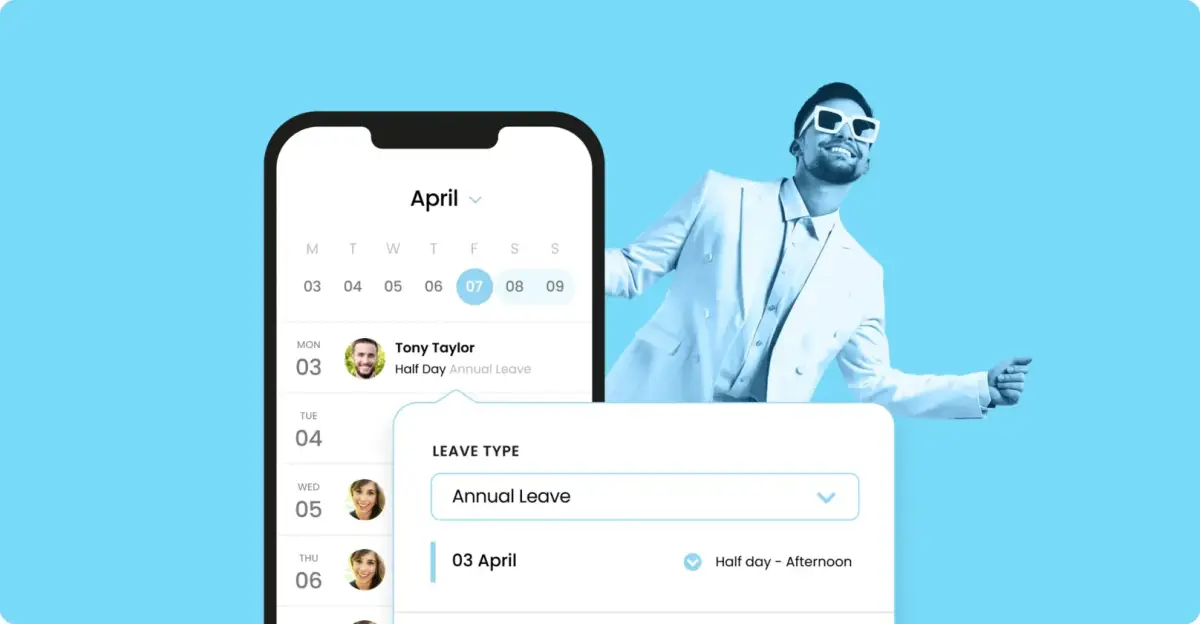
Request and approve leave in moments
Employees can check their remaining allowance and request time off through a straightforward booking flow. Managers receive the relevant dates and leave details, allowing them to review each request without unnecessary back-and-forth.
Keep the next step clear
A useful update ends with what happens next: what the team will build, what needs a review, and what could change the plan. If you need a decision, make the question specific enough to answer.
This does not require more meetings. A short, consistent update can give everyone the same picture: what is working, what needs attention, and what happens before the next conversation.
“I certainly sleep better at night than I used to. Having the team on board is a great peace of mind for myself and the whole team. We know that when we ask for something, it will be done well, to a high standard, and properly tested.”
 Phil Norton
Start with a better conversation.
You do not need to understand every technical detail. Ask what you can review today, which decision needs your input, and who owns the next step.
Written by the OneSyntax team